
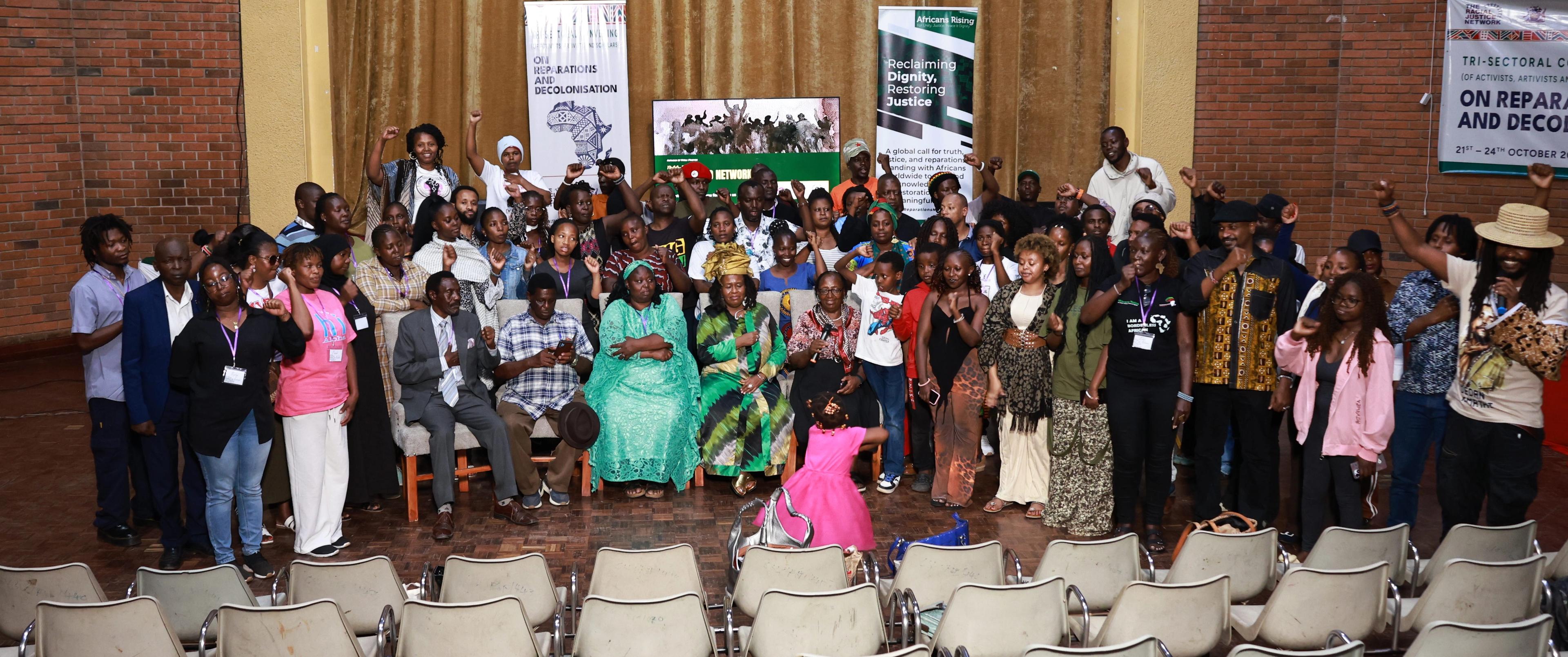
Grounding the Tri-Sectoral Convening of Activists, Artivists and Scholars on Reparation and Decolonisation
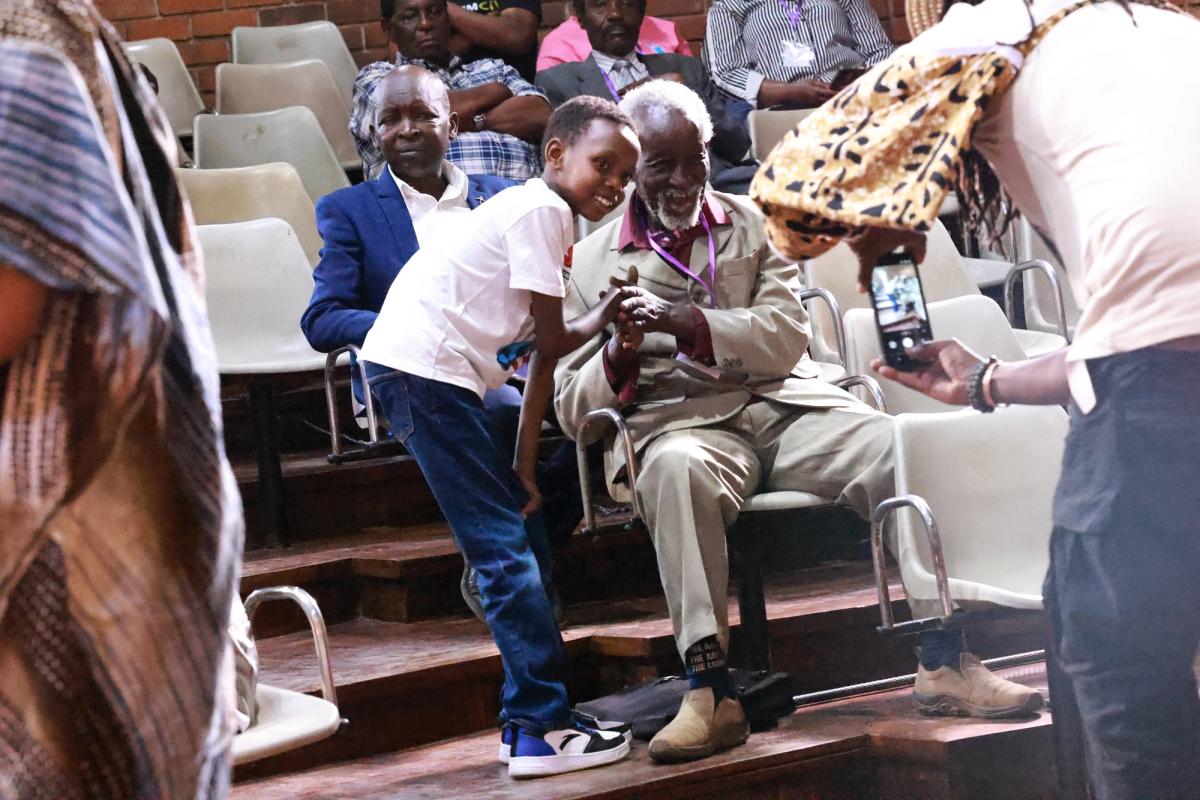
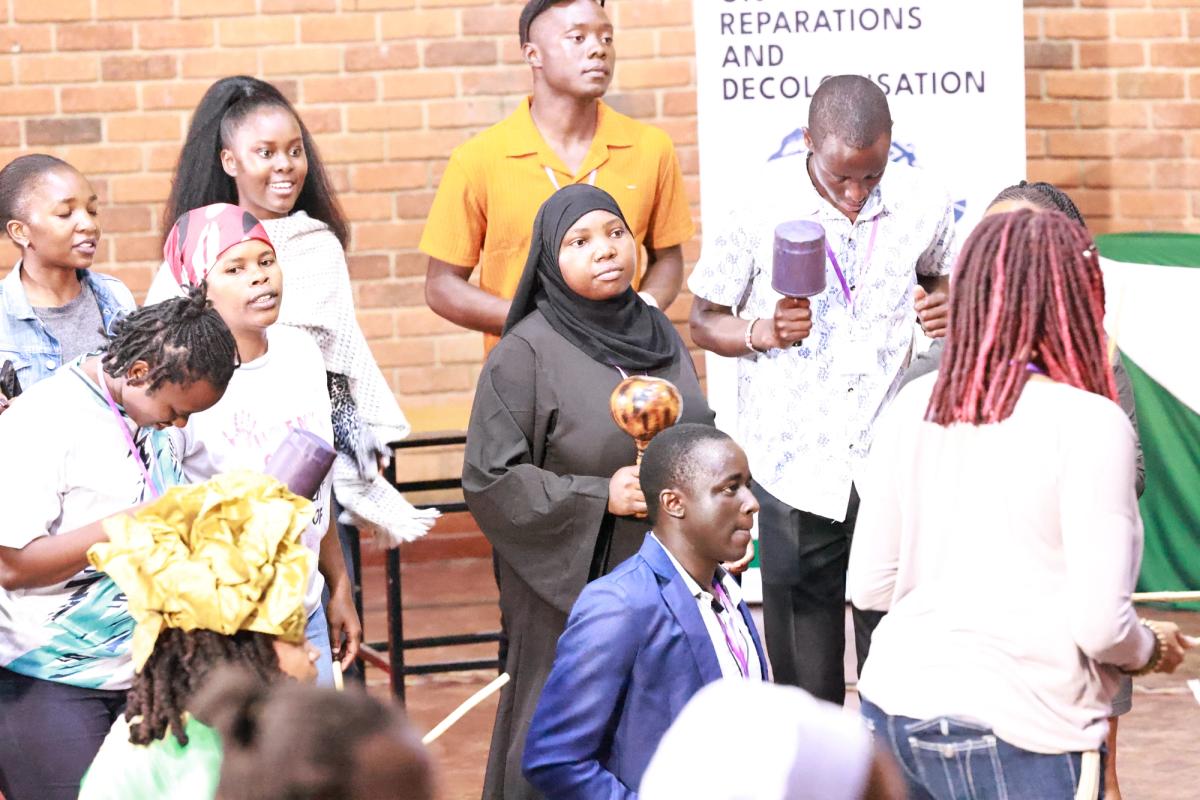
The Tri-Sectoral Convening of Activists, Artivists and Scholars on Reparation and Decolonisation was held from 21st–24th October 2026 at the historic Ufungamano House in Nairobi, Kenya. Convened by the Racial Justice Network (RJN) – UK, in collaboration with partners including the University of Nairobi, and Mashujaa Heritage Archives & Library, with contributions from Africans Rising and Mwamko, the four-day gathering provided an enriching space for critical dialogue, collective learning, artistic expressions, political imagination and the development of practical strategies towards reparative and decolonial transformation.
A major highlight of the convening was the keynote address delivered on the opening day, 21st October, by Esther Xosei, a leading UK-based scholar-activist on reparations and decolonisation. Esther is the Executive Director of the Maangamizi Educational Trust and Coordinator-General of the Stop the Maangamizi Campaign. Her address, titled, “Repair Begins Within: Truth, Re-membering and the Reclaiming of Our Sovereignty,” set the tone for the engagements that followed, inviting participants to interrogate the meaning of repair beyond material compensation and to consider the centrality of truth, historical memory, collective healing and the reclamation of sovereignty in the struggle for reparative justice.
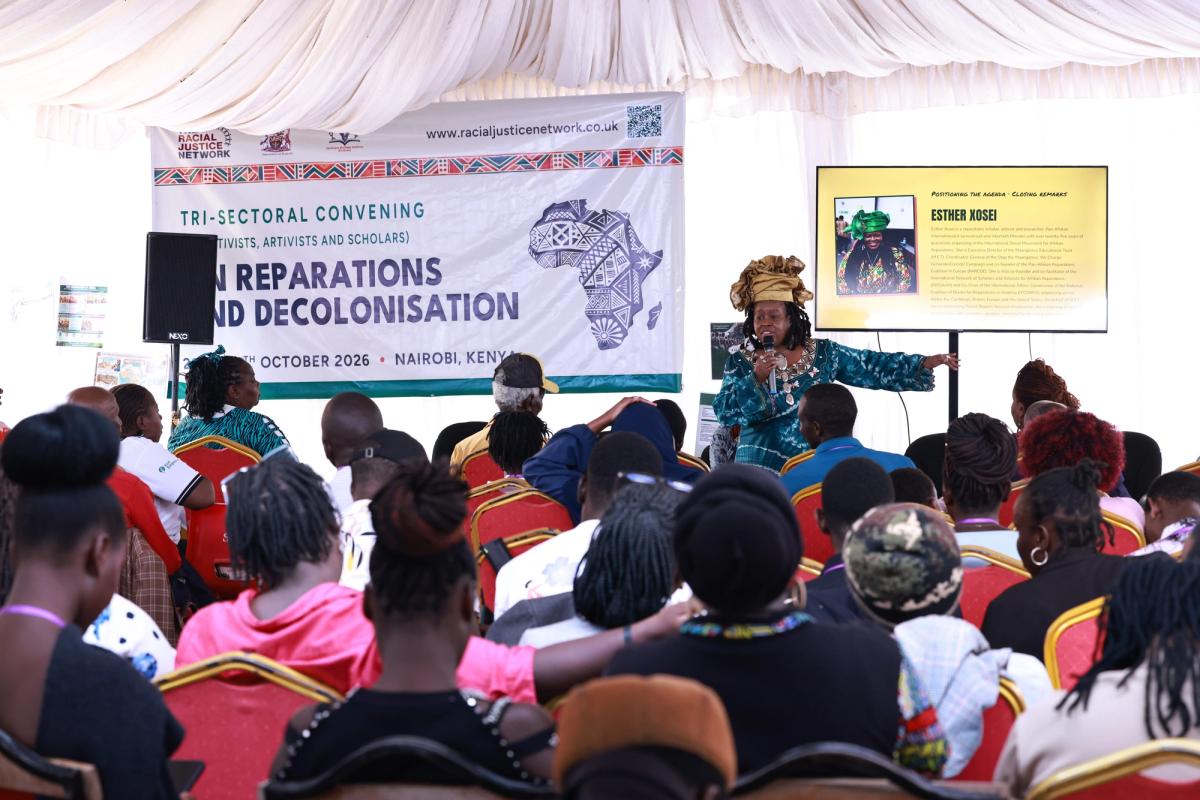
Beyond leading discussions on reparations during the convening, Esther Xosei appeared on Fixing the Nation, a popular Kenyan television and radio programme, where she explored the meaning, the scope and importance of reparations. Her powerful and moving insights resonated deeply with the guests, drawing meaningful connections between ongoing conversations on reparations in the Caribbean and across the African continent. You can checj out the full interview here:
Over the four days, the convening brought together grassroots activists, artivists, cultural workers and scholars to reflect on what genuine repair for the enduring legacies of colonialism might look like in practical terms. It also interrogated fundamental questions about who defines reparations, who shapes the processes of decolonisation, and whose knowledge, experiences and aspirations inform the pursuit of justice and liberation.
At the heart of the convening was the tri-sectoral approach, premised on the recognition that activists, artivists and scholars occupy distinct but interconnected spaces of knowledge, influence and power. Moving away from the conventional conference model, the gathering deliberately situated lived experiences, artistic expressions and academic scholarship as equally important and complementary forms of knowledge. This approach informed the structure and sequencing of the four-day programme, with each day foregrounding one of the three constituencies, followed by a historical learning excursion on the fourth day.
Day One: Scholars – Grounding the Struggle in knowledge and historical understanding
The first day foregrounded the contributions of scholars, who brought academic rigour, historical knowledge, critical reflection, archival expertise and analytical tools to deepen understanding of colonial legacies and the possibilities for reparative and decolonial transformation. Their contributions explored how scholarship can strengthen social movements, challenge colonial narratives and enrich public understanding of historical injustices and contemporary struggles.
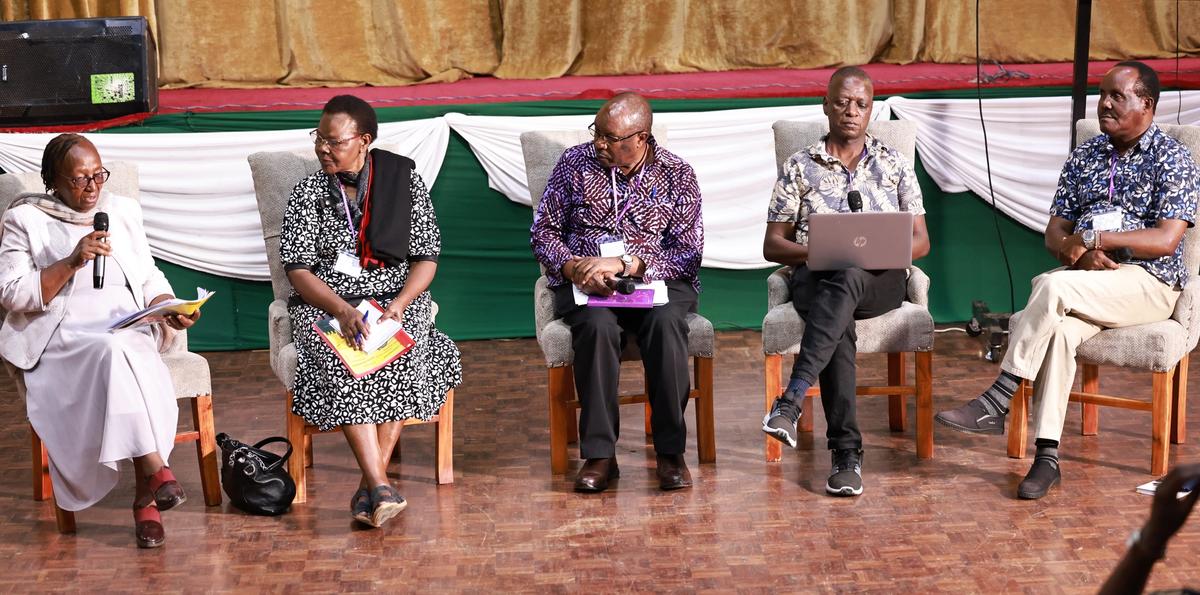
Day Two: Activists – Grounding knowledge in struggle and collective action
The second day centred activists and their experiences of organising and mobilisation, movement-building, resistance and collective action. Drawing from their practical engagements in social and political struggles, activists brought forward the strategies, tactics, lessons and challenges of organising for social and political transformation. Their contributions underscored the importance of grounding the pursuit of reparations and decolonisation in the lived realities and struggles of communities most affected by historical and contemporary injustices.
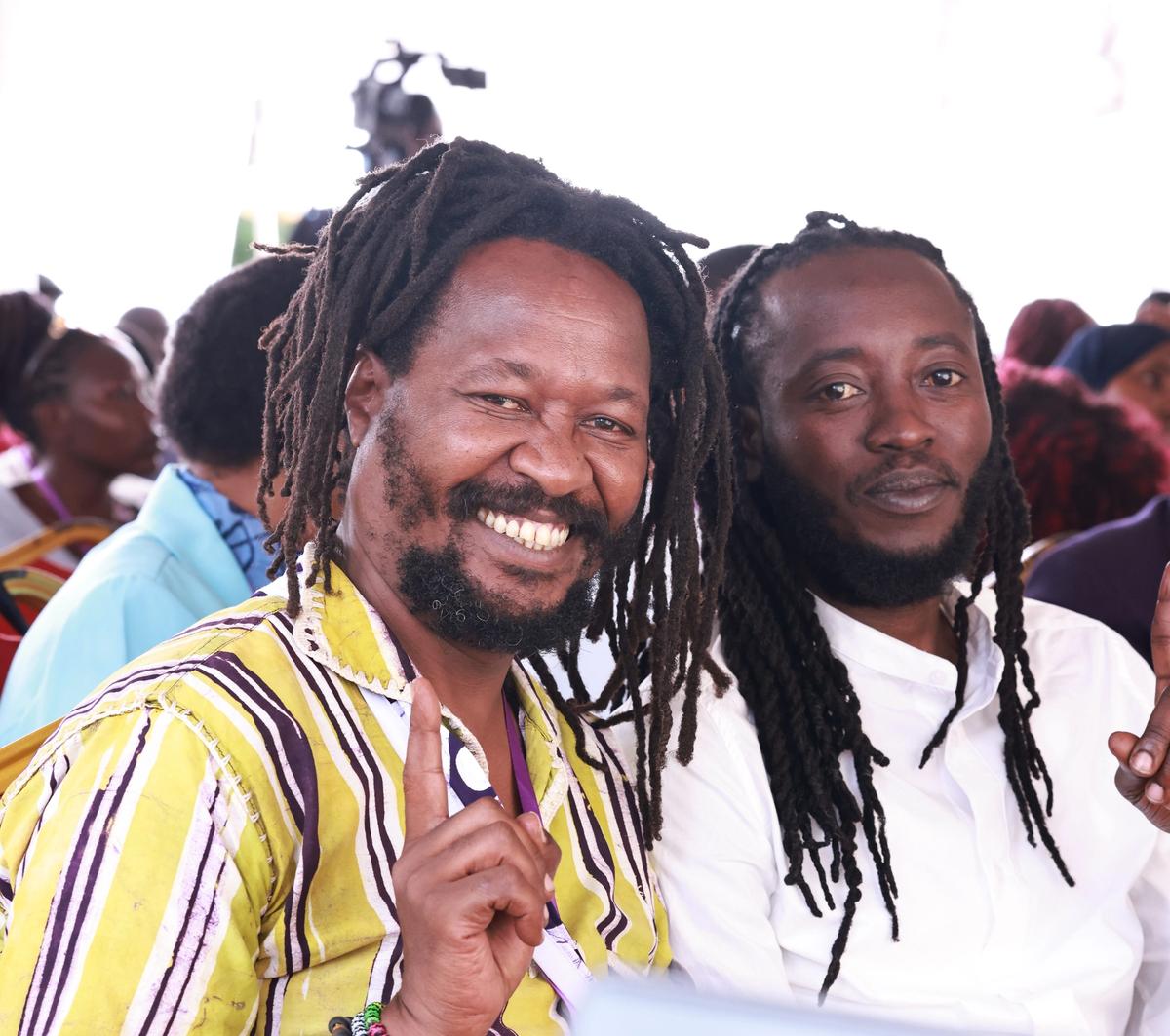
Day Three: Artivists – Reimagining liberation through art and creative expressions
The third day foregrounded artists and artivists whose work traverses artistic practice and activism. They brought creative imagination, reservoirs of collective memory, storytelling and alternative forms of communication and political expression into the convening. Through their contributions, participants explored the power of art and culture in preserving histories, confronting injustices, reclaiming identities and imagining alternative liberative futures. The day affirmed that artistic expression is not merely an accompaniment to political struggle but an important site of resistance, knowledge production and the imagination of new possibilities.
Day Four: Historical Memory, Remembrance and the Geography of Resistance.
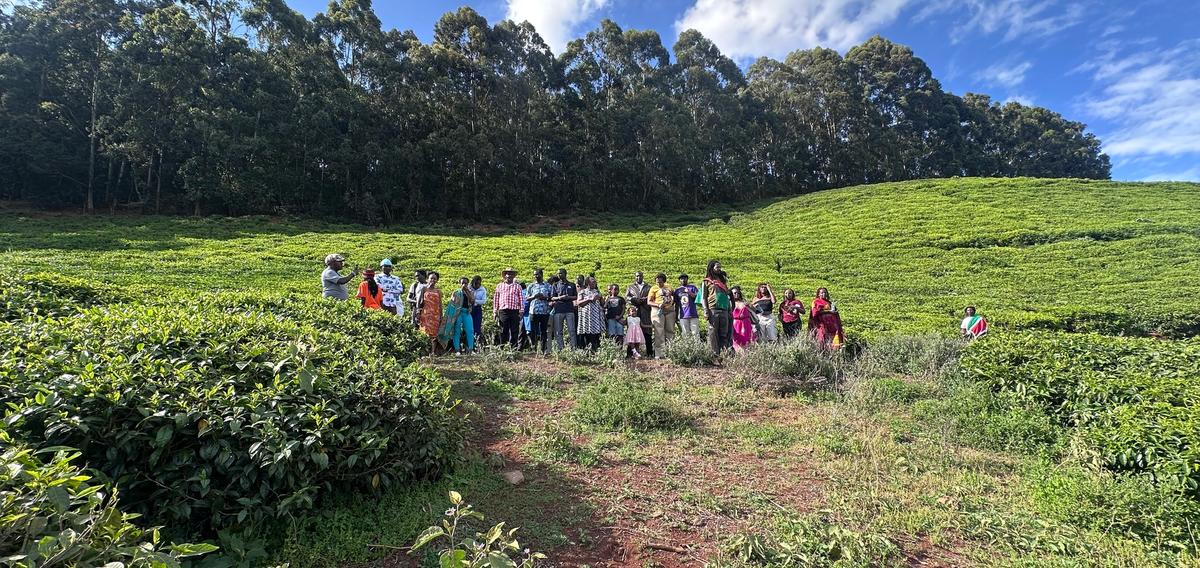
On the fourth day, a small delegation undertook a historical learning excursion to Nyeri County. The visit included the home of Field Marshal Muthoni Kirima and the site where Field Marshal Dedan Kimathi was shot and wounded. The excursion offered an opportunity to engage with the histories, places and material traces of Kenya's liberation struggle. It also reinforced the importance of remembrance, historical memory and intergenerational knowledge in grounding contemporary struggles for reparations and decolonisation.
The convening demonstrated the transformative potential of bringing activists, artivists and scholars into a shared space of engagement. When these three constituencies come together, they generate a powerful synergy and an ecosystem of knowledge and practice in which scholarship informs action, action enriches scholarship, and art expands the creative and political imagination through which societies envision justice, freedom and liberation. Rather than treating these as separate domains, the convening affirmed their interconnectedness and the possibilities that emerge through sustained collaboration.
Importantly, the engagements, reflections and resolutions of the convening laid the groundwork for establishing a Tri-Sectoral Network of Activists, Artivists and Scholars on Reparation and Decolonisation. The proposed network will provide a platform for sustained dialogue, horizontal learning and decolonial knowledge production and exchange, artistic productions, movement organising and collective advocacy. It seeks to nurture enduring relationships across these constituencies and geographies, strengthening their collective capacity to challenge colonial legacies and advance transformative reparative and decolonial agendas.
Ultimately, the convening was not conceived as a one-off conference but as a starting point for building a sustained ecosystem of collaboration, solidarity and collective action. Its significance lies not only in the conversations held and knowledge shared, but also in the relationships forged, political possibilities imagined and foundations laid for a continuing tri-sectoral movement towards reparation, decolonisation and liberation.
Related Articles
RJN Statement on the Transitioning of Professor Jason Arday
24/08/2026 • RJN Team
One Year After Dr Pious Nyandoro: The Uncomfortable Truth About Empire, Borders and the Value of Black Life
23/07/2026 • Boucka Koffi