RJN Statement on the Transitioning of Professor Jason Arday
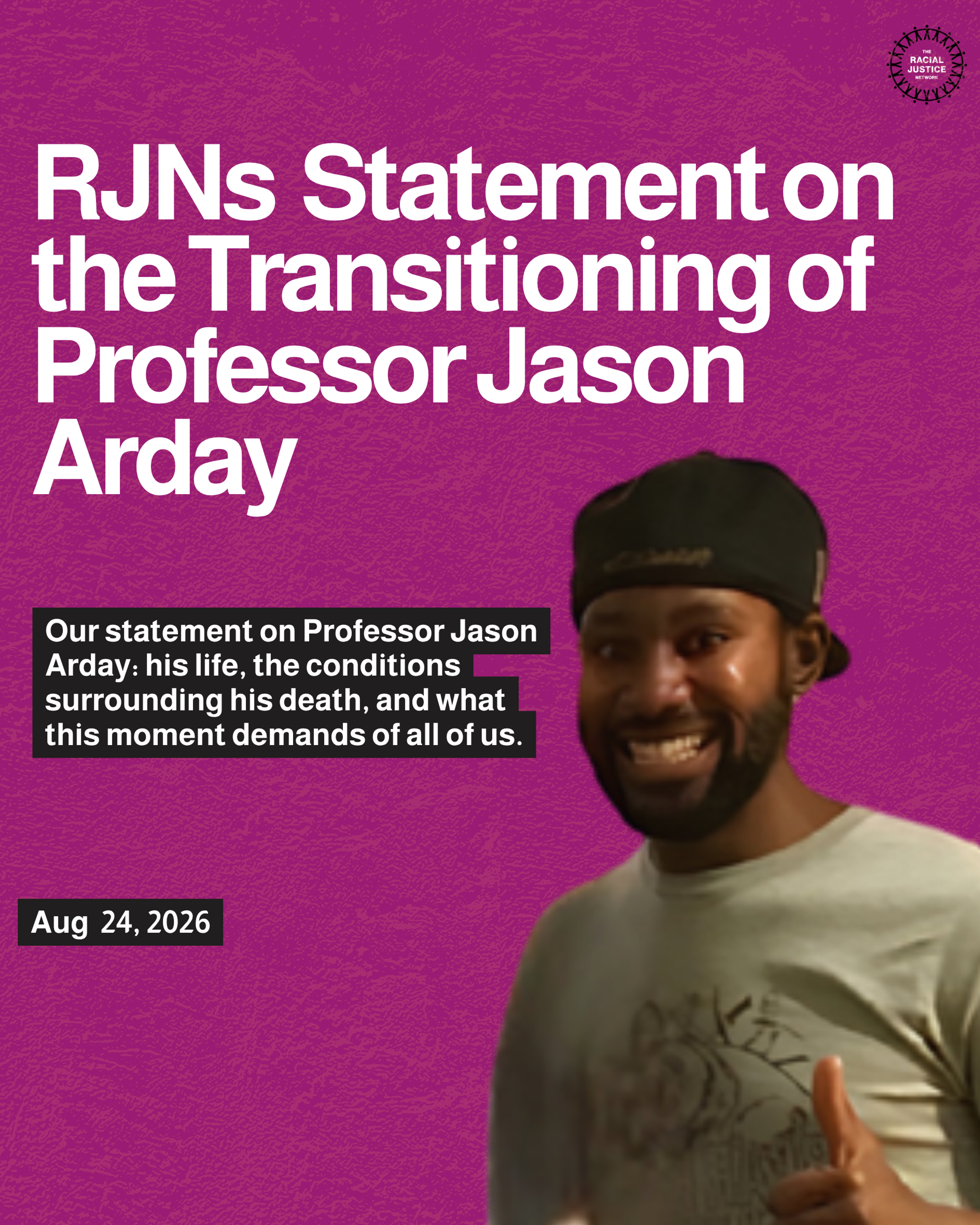
We are saddened and enraged by the untimely death of Professor Jason Arday, a former trustee of the Racial Justice Network. We extend our deepest condolences to his family, friends, comrades, colleagues and all those who loved and stood alongside him.
Professor Jason Arday was an exceptionally gifted and formidable young man whose commitment to social justice was never performative. He played a pivotal role in the formative years of the Racial Justice Network and continued to mentor, support and encourage our work even as his own profile in academia and public life grew.
His death is a devastating reminder of how emboldened and violent authoritarianism has become in the Western world. For more than three years, Jason endured sustained public attacks from sections of the white supremacist media, academics and their associates, culminating in an intense pile-on during the final weeks of his life.
In our communications with Professor Jason during his final days, he told us that these attacks were killing him. He repeatedly asked: “Why me?”. What began as an allegation of plagiarism, from which Professor Jason was officially cleared, evolved into a much wider process of investigation, public scrutiny, ridicule and reputational damage. Even after Professor Jason Arday resigned, explicitly making clear that his resignation did not constitute an acceptance of the allegations, the vicious attacks continued.
As the pressure intensified, Professor Jason became increasingly isolated. Those who initially supported him were themselves warned and targeted, while institutions that had once celebrated and elevated him began to retreat. A young gifted Black scholar was left increasingly vulnerable as his reputation and humanity were subjected to relentless public lynching and scrutiny.
We therefore refuse to reduce Professor Jason’s death to an individual tragedy, an isolated controversy or a matter of professional misconduct. His death must be understood within the wider assault on Black scholars, critical race scholarship, anti-racist organising, neurodivergence and knowledge systems that challenge established power. It speaks to the persistence of epistemic violence, anti-Blackness and the shrinking civic spaces in which racialised people can challenge injustice.
We also reject the notion that institutional responses such as DEI are sufficient to address these structural conditions because representation without transformation does not dismantle the systems that produce racialised harm.
Professor Jason’s death demands more than condolences. It demands accountability from those who created, enabled, amplified or failed to intervene in the conditions that left him so vulnerable.
We must also be willing to look honestly at ourselves as the Black community and acknowledge where we, too, could and should have done more. Professor Jason Arday was deeply hurt by those within our own communities who contributed to the pile-on and by the absence of solidarity when he needed it most.
Solidarity cannot depend on convenience nor can it disappear when defending someone becomes difficult, unpopular or carries a personal cost. While we hold institutions and systems accountable, we cannot place responsibility solely outside of ourselves. We must also hold ourselves accountable for how we defend, protect and stand alongside one another when it matters most. No one should be forced to face such conditions alone.
We refuse to allow Professor Jason’s death to be absorbed into silence, institutional platitudes or a sanitised narrative that separates his life and death from the structures that shaped his experience.
His memory must compel us to confront those structures, defend those who are targeted by them, and build stronger forms of solidarity and protection for all.
This is not simply a statement of grief.
It is a call to action.
Rest In Eternal Power, Professor Jason Arday.
Related Articles
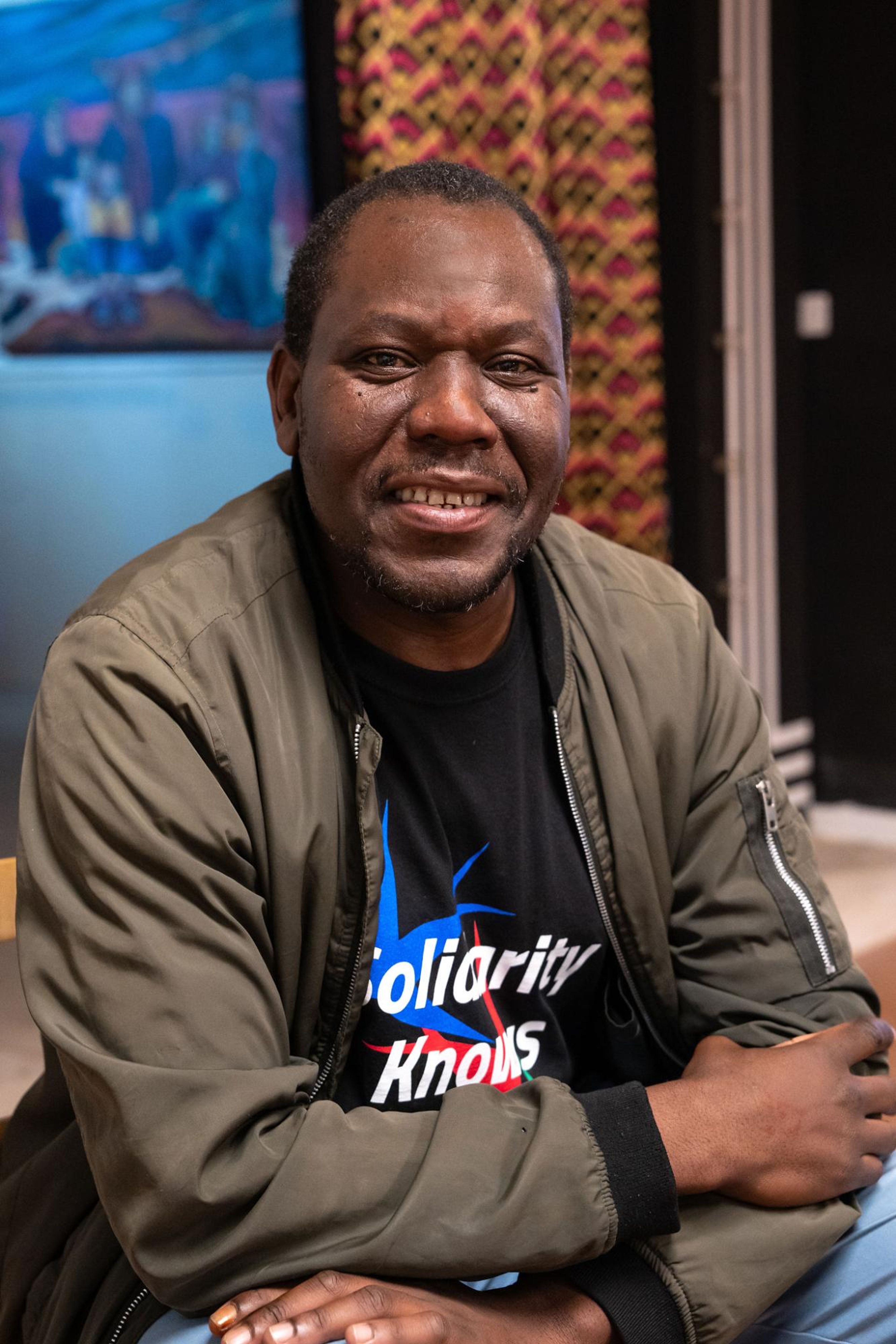
One Year After Dr Pious Nyandoro: The Uncomfortable Truth About Empire, Borders and the Value of Black Life
23/07/2026 • Boucka Koffi
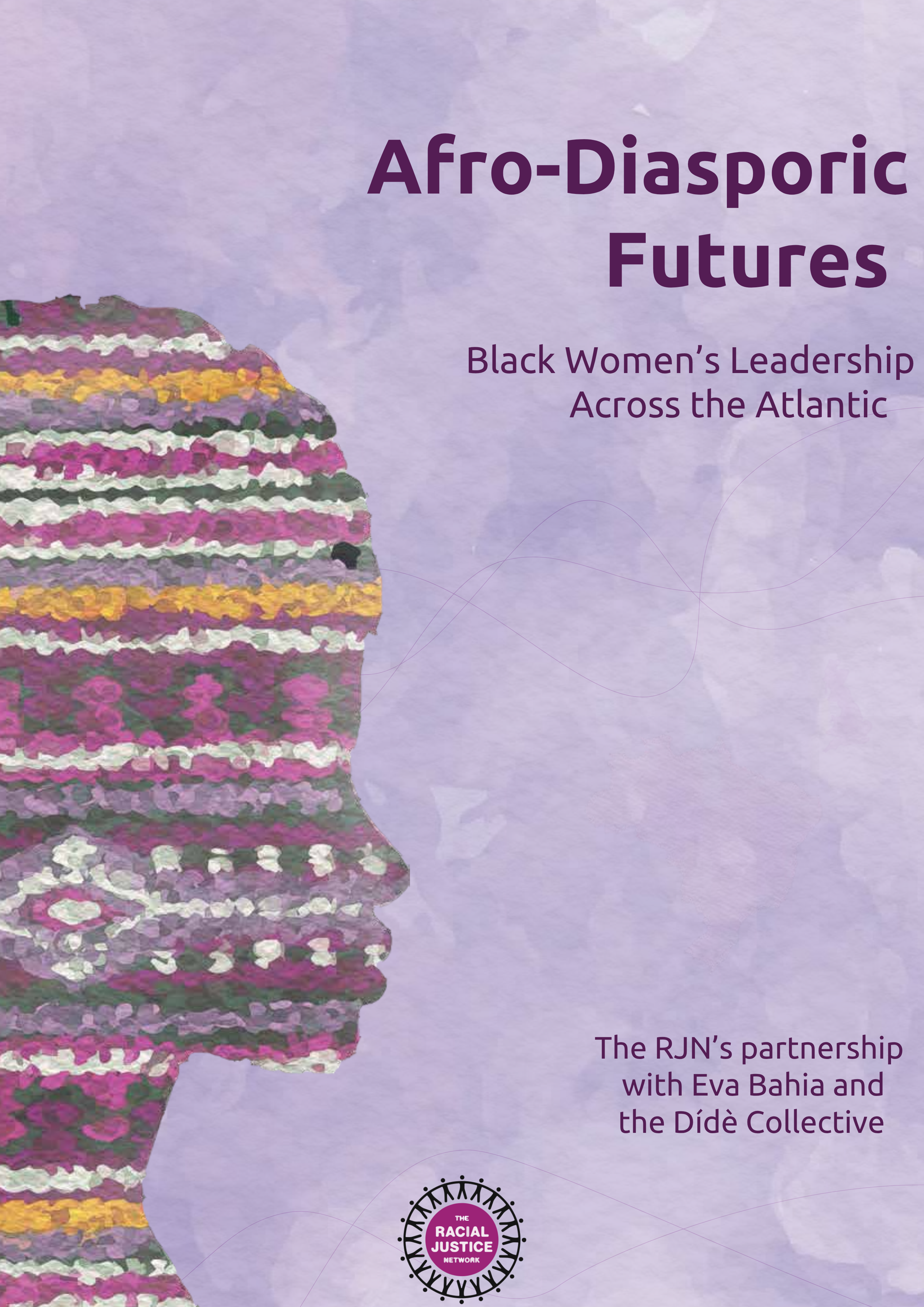
Press release: Afro-Diasporic Futures: Black Women’s Leadership Across the Atlantic
04/05/2026 • Iris Dixon