Racial Justice Training – Leeds, October 2025
A weekend of learning, connection and collective power
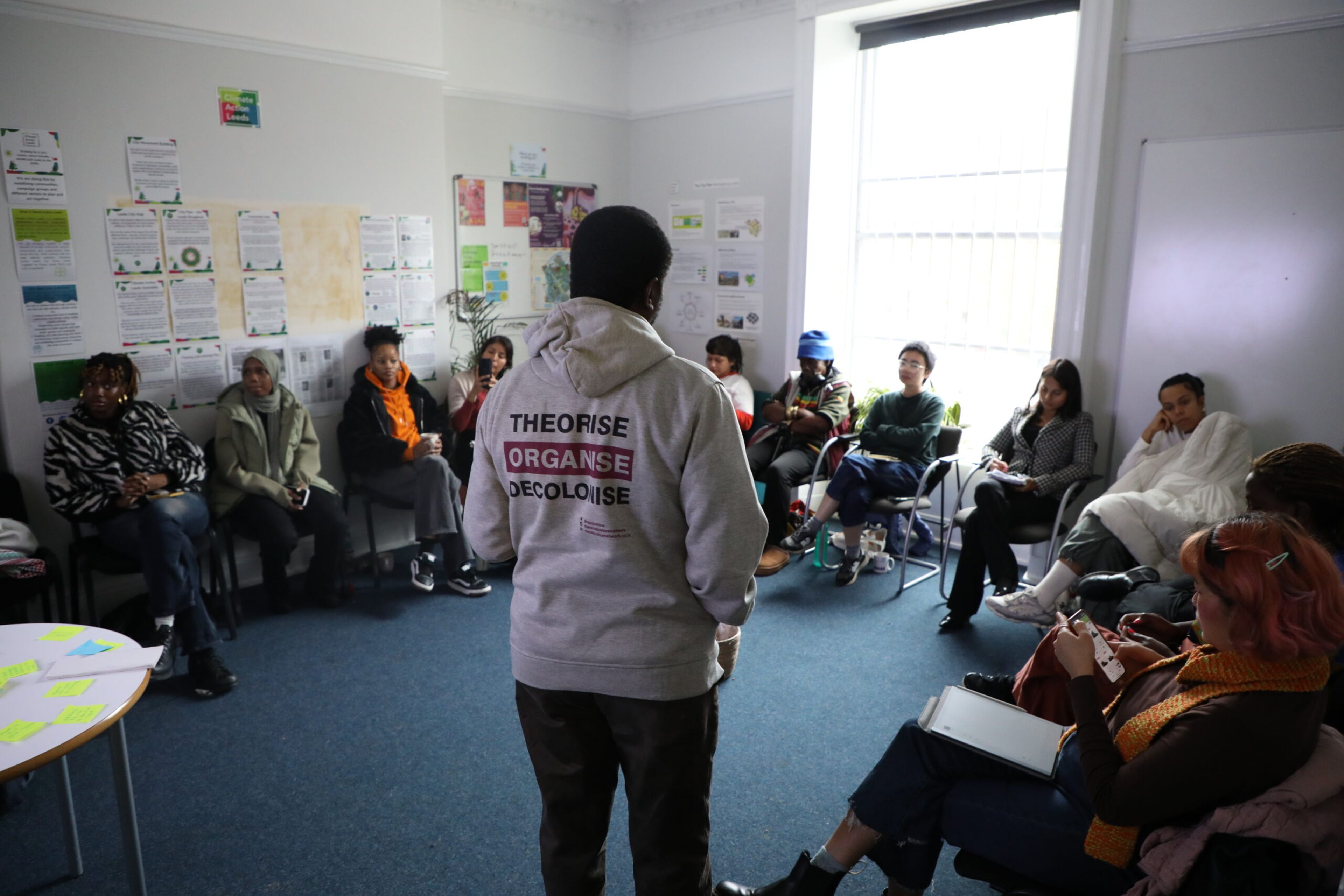
In October 2025, the Racial Justice Network brought together activists, community organisers, young people, refugees, asylum seekers and other racially minoritised voices from across Yorkshire for two days of grounding, learning and imagining change. At a time when global crises; racism, inequality, ecological collapse, displacement, war and authoritarian border regimes continue shaping our lives, the need for spaces of collective resistance feels more urgent than ever. This training offered exactly that: a place to breathe, reflect, build skills and rediscover the power of community.
Why this training?
Across the region we meet people who are deeply aware of injustice and feel the weight of frustration—yet aren’t always sure where to begin or how to turn their anger into long-term, systemic action. Many grassroots organisations that once held this work have closed, shifted focus or lost capacity. For racially minoritised communities in particular, safe learning spaces that centre colonial histories, international struggles and intersectional oppression remain limited.
This training aimed to fill that gap by offering capacity building, skill-sharing, and collective strategy tools, while also nurturing networks that can continue well beyond the two days.
Day One: Arriving, grounding and naming our truths
Participants arrived between 10 and 11am to a warm welcome, a grounding exercise and an inclusivity statement that set the tone for the rest of the weekend. We opened with timed introductions—short, intentional, and centred on one question:
“What brings you to this space today?”
An early icebreaker invited people to match the reasons they came with others in the room. Within minutes the space buzzed with conversation, laughter and recognition. Many shared experiences of racism in workplaces, housing, education or migration systems; others came holding climate justice concerns or cultural organising initiatives. The aim was simple: build connection, reduce isolation, and acknowledge that each person was already bringing wisdom into the room.
Before moving into deeper content, we offered a few grounding definitions—leadership, anti-racism goals and the role of public storytelling. This helped ensure that people with different backgrounds or English-language experiences could start from the same foundation.
Movement Timeline
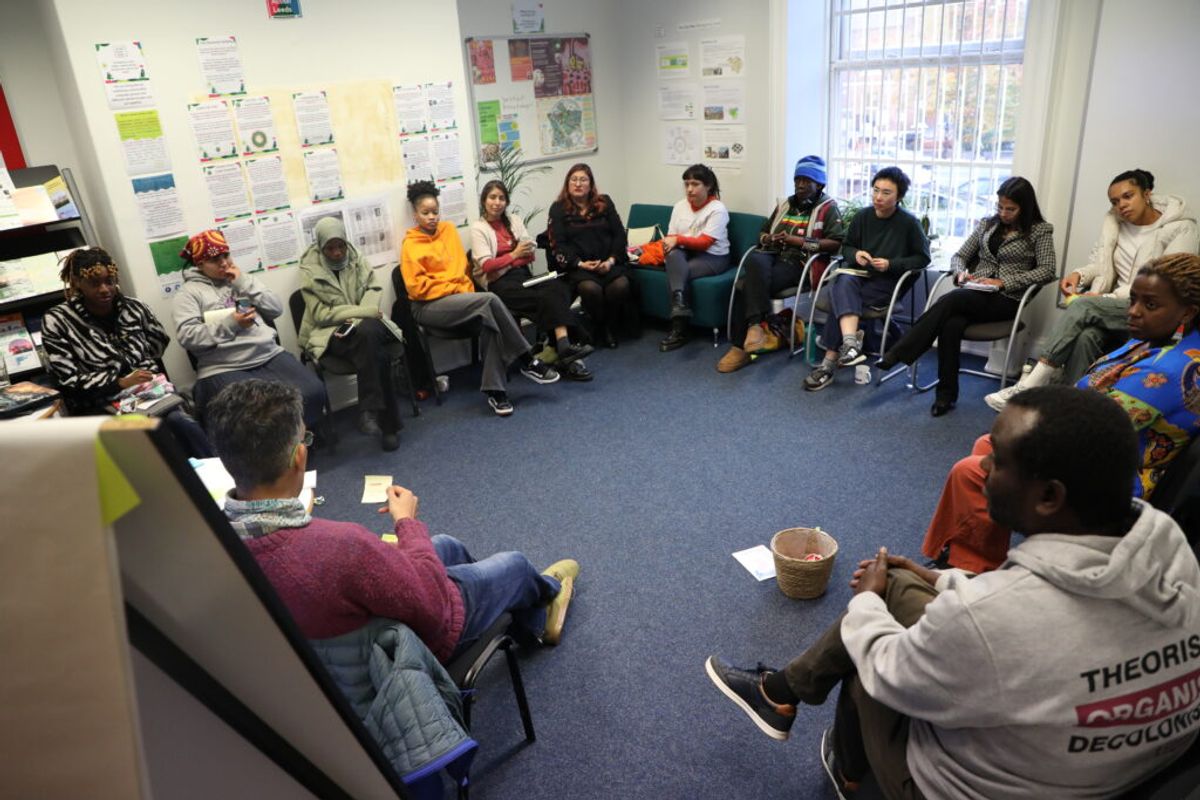
Rakesh then led a powerful session mapping movements across history. Participants wrote down movements they knew—from Pan-African liberation struggles to disability justice, Palestinian resistance, Black feminist organising, land rights fights in the Global South and local campaigns here in the UK. These were placed on the wall, building a visual timeline of global and intergenerational resistance. For many, it was a moment of affirmation: we come from long traditions of struggle.
Understanding Systems of Oppression
After lunch and an energising “We Will Rock You” activity led by Munay, the room shifted towards unpacking systemic oppression. Through group discussion we explored:
- What oppression is
- The different forms it takes
- The Four I’s and Four Faces of oppression
- How colonialism shapes race, migration, gender, class, disability and climate injustice
Participants reflected on which systems of oppression they work within or against in their own activism. Day One closed with a sense of clarity and curiosity: each person left having named an issue they wanted to explore more deeply on Day Two.
Day Two: Strategy, campaigning and tools for collective action
We opened the next morning with stretches, a soft check-in and the question:
“Which system of oppression are you actively challenging, and how?”
The responses set the stage for a day focused on practice and strategy.
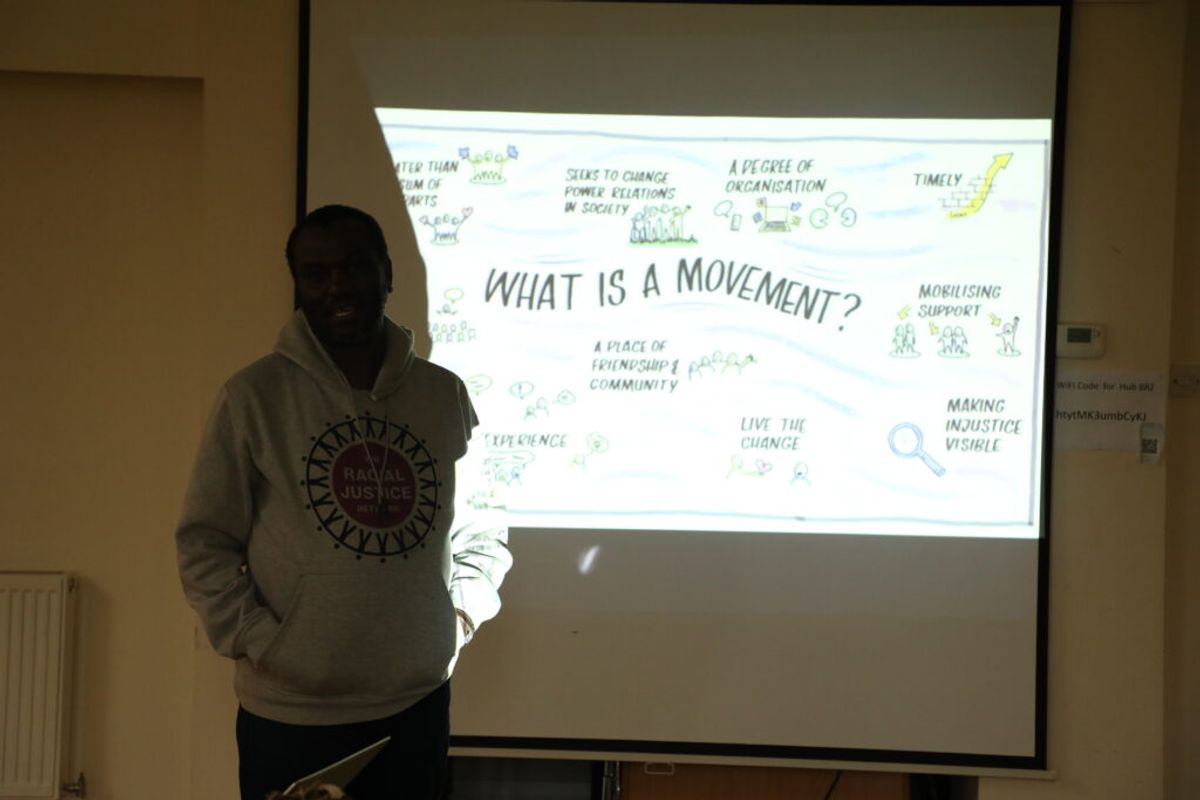
Movement Building Essentials
The morning explored the building blocks of movements—how they grow, why they fail, and what sustains them. Wangary introduced Power Mapping, emphasising that while marginalised communities often express their grievances, we are rarely supported to build strategy: identifying targets, understanding power holders, developing allies and choosing tactics intentionally.
Participants also discussed the difference between mobilising and organising, the five pillars of domination and what truly makes a campaign.
Storytelling, One-to-Ones and Artivism
The afternoon focused on tools:
- Public Narrative and Story of Self
- One-to-one relational meetings
- Stories of change
- How individual stories become collective power through “the story of us and we”
A short Artivism session explored how music, media and creative expression can disrupt systems and energise movements.
Moving from Ideas to Action
To close, participants clustered around shared issues—such as migration justice, climate action, racialised policing, housing, and youth empowerment—and began shaping campaign strategies using templates shared in the training. These clusters will continue online as action-learning pods, with options for buddy systems and deeper support.
Looking Ahead
By the end of the two days, participants left with new skills, clearer language, political grounding and—most importantly—connection. They also left knowing when future sessions will take place and how they can continue learning together.
In a world where despair is easy and community is rare, these two days reminded us that movements grow when we come together, share stories, build strategy and dare to imagine something better.
This training was a small but meaningful step in that ongoing journey—and we’re excited for everything that will grow from here.
Related Articles
One Year After Dr Pious Nyandoro: The Uncomfortable Truth About Empire, Borders and the Value of Black Life
23/07/2026 • Boucka Koffi
Press release: Afro-Diasporic Futures: Black Women’s Leadership Across the Atlantic
04/05/2026 • Iris Dixon