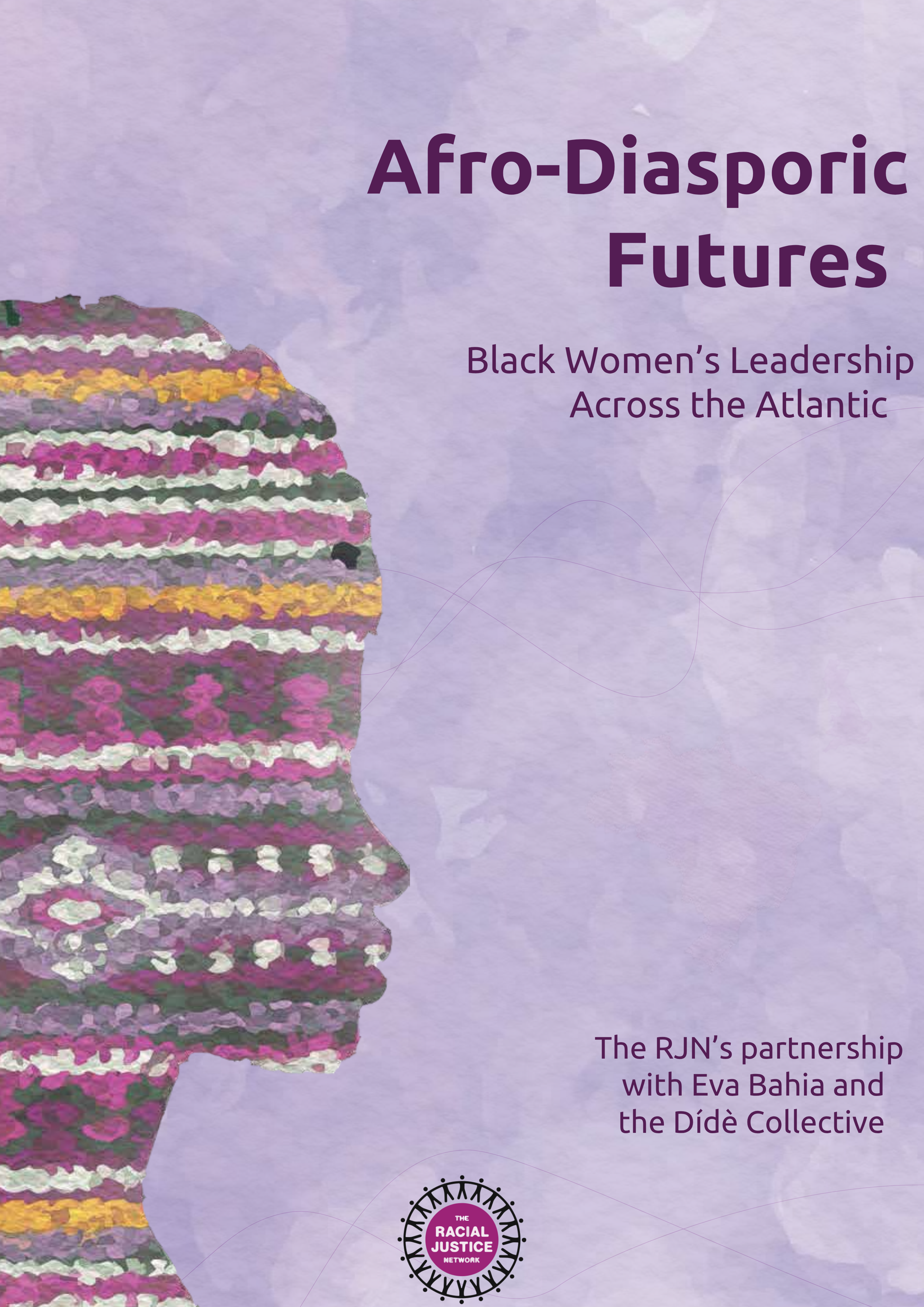
Press release: Afro-Diasporic Futures: Black Women’s Leadership Across the Atlantic
The Racial Justice Network (RJN) is launching a new report, Afro-Diasporic Futures: Black Women’s Leadership Across the Atlantic, documenting almost a decade of collaboration with Brazilian partners and the ongoing work of Black women-led organising for black communities in Brazil.
Drawing from encounters developed between 2018 and 2025, the report reflects the importance of centering and building relationships built through trust, care and shared political commitment, rather than traditional models of (here-to-there) international partnership. It highlights the development of reciprocal, personal, and organic connections across partners in both regions, while centering the work of Brazilian activist Eva Bahia and the Dídè - Nós por Nós Collective, alongside wider built networks of Black feminist and community-based organising.
Eva Bahia is a Black activist with a long-standing presence in popular territories of Bahia, particularly in work alongside Black women, youth, and communities of African descent. Her political practice has consistently been anchored in grassroots organising, territorial listening, and the articulation between care, spirituality, economic autonomy, and racial justice. Her work in Salvador is centered around building art and cultural activities as strategies for income generation, identity strengthening, the creation of safe communal spaces, rapid response to police brutality, and protection against religious extremism that demonises Afro-spiritual practices.
This report does not seek to romanticise this work. The leadership and initiatives developed by Eva Bahia, as well as by many other Black women across Brazil, emerge in response to structural neglect, systemic racism, and the lack of sustained public investment in communities that are predominantly Black. While this report recognises and values the political, intellectual, and affective labour of Black women organisers, it also underscores the urgent need for structural conditions that make this work sustainable. It calls for greater accountability from public institutions and for broader societal commitment to ensuring that access to rights, protection, and dignity is not left to be upheld solely by community leadership.
Launch Event
To mark the release of this report, RJN will be hosting an online launch event bringing together speakers and key partners from Brazil and the UK to reflect on the themes of the report and share insights from their work in their respective countries. This will be a space in particular to reflect on the impact of this kind of work and how building bridges such as these can lead to immeasurable changes.
Date: Tuesday, 19th May 2026Time: 6:00 PM UK (BST) | 2:00 PM Brazil (BRT)Location: Online via ZoomRegistration: https://forms.gle/Wd411KcR8yZJDLef7
The event will be accessible in both English and Portuguese.
Media Contact:
Iris Dixon
communications@racialjusticenetwork.co.uk
Racial Justice Network
Notes to Editors:
- The Racial Justice Network (RJN) is a UK-based Black and migrant-led charity with a bold vision to end racial injustice and address the legacies of colonialism through holistic, economic, environmental, spiritual and cultural relief, repair and transformation.
- The Dídè – Nós por Nós Collective is a Black women-led collective based in Bahia, Brazil, focused on community strengthening, collective care, and grassroots organising.
- The report is based on partnerships developed since 2018 through exchanges, visits, and collaborative work across Brazil and the UK.
Related Articles
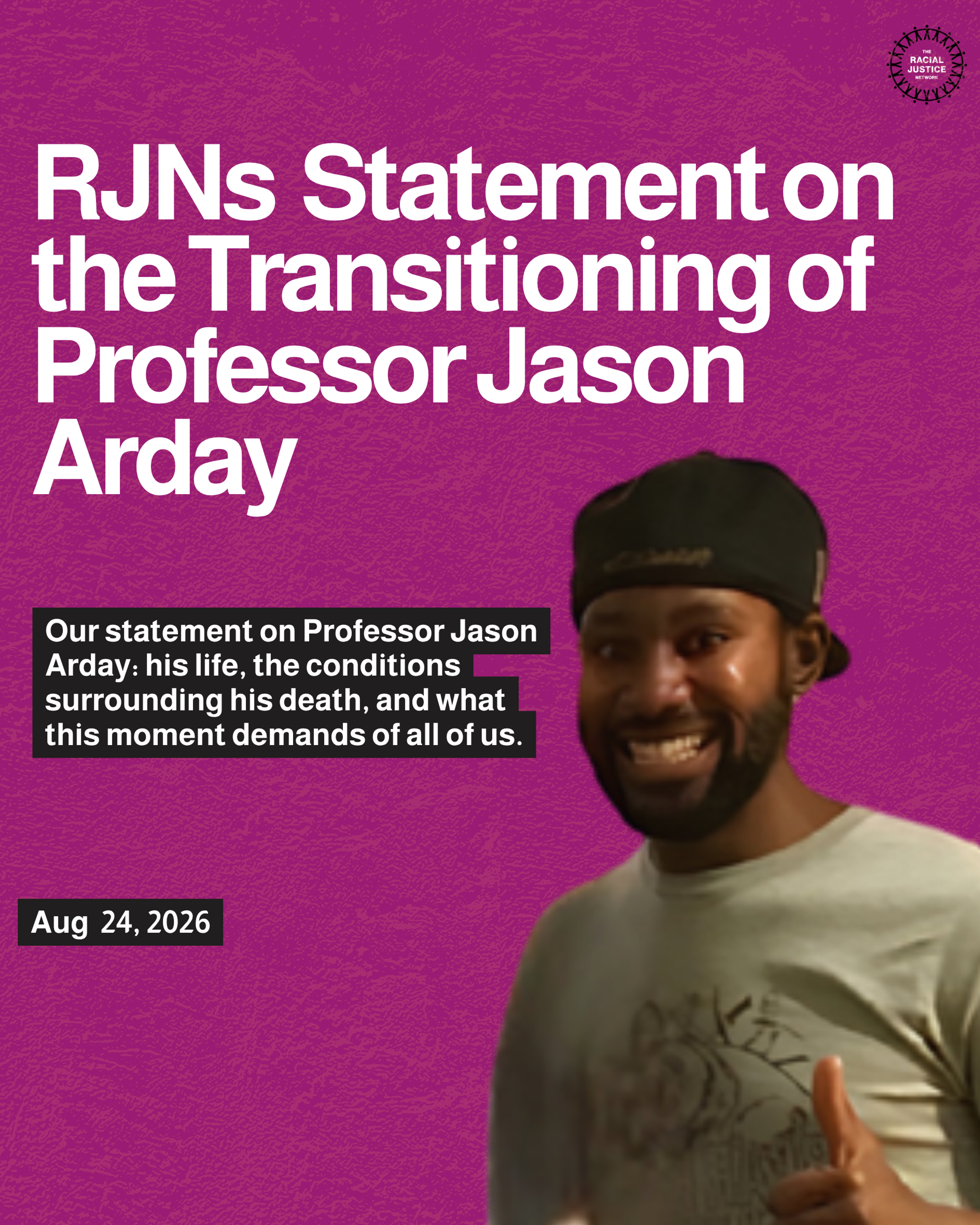
RJN Statement on the Transitioning of Professor Jason Arday
24/08/2026 • RJN Team
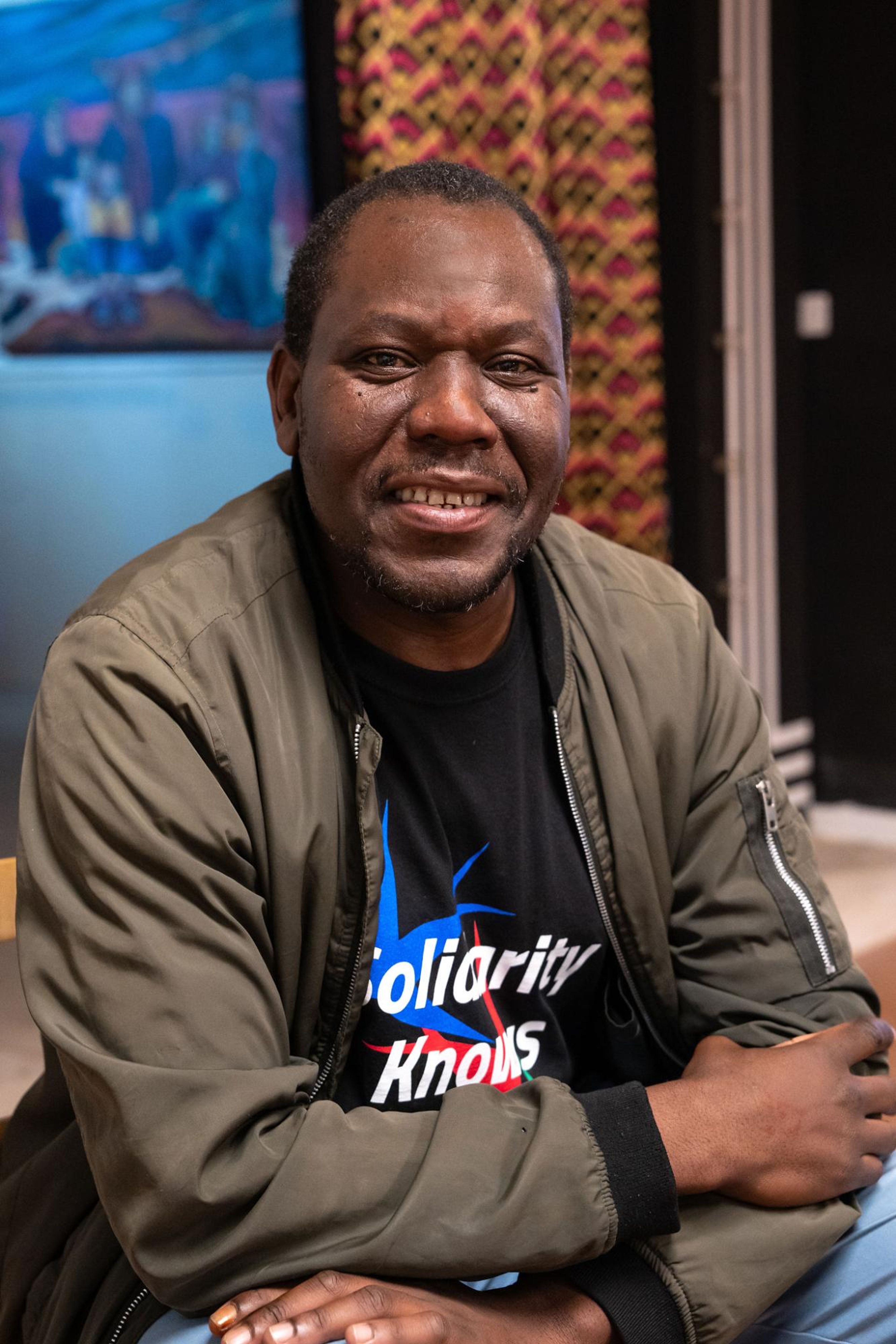
One Year After Dr Pious Nyandoro: The Uncomfortable Truth About Empire, Borders and the Value of Black Life
23/07/2026 • Boucka Koffi