
Normalised Abnormalities: Reflections Two-Years After the Legacy Visit by Ngũgĩ wa Thiong’o for Racial Justice and International Decolonial Campaigns.
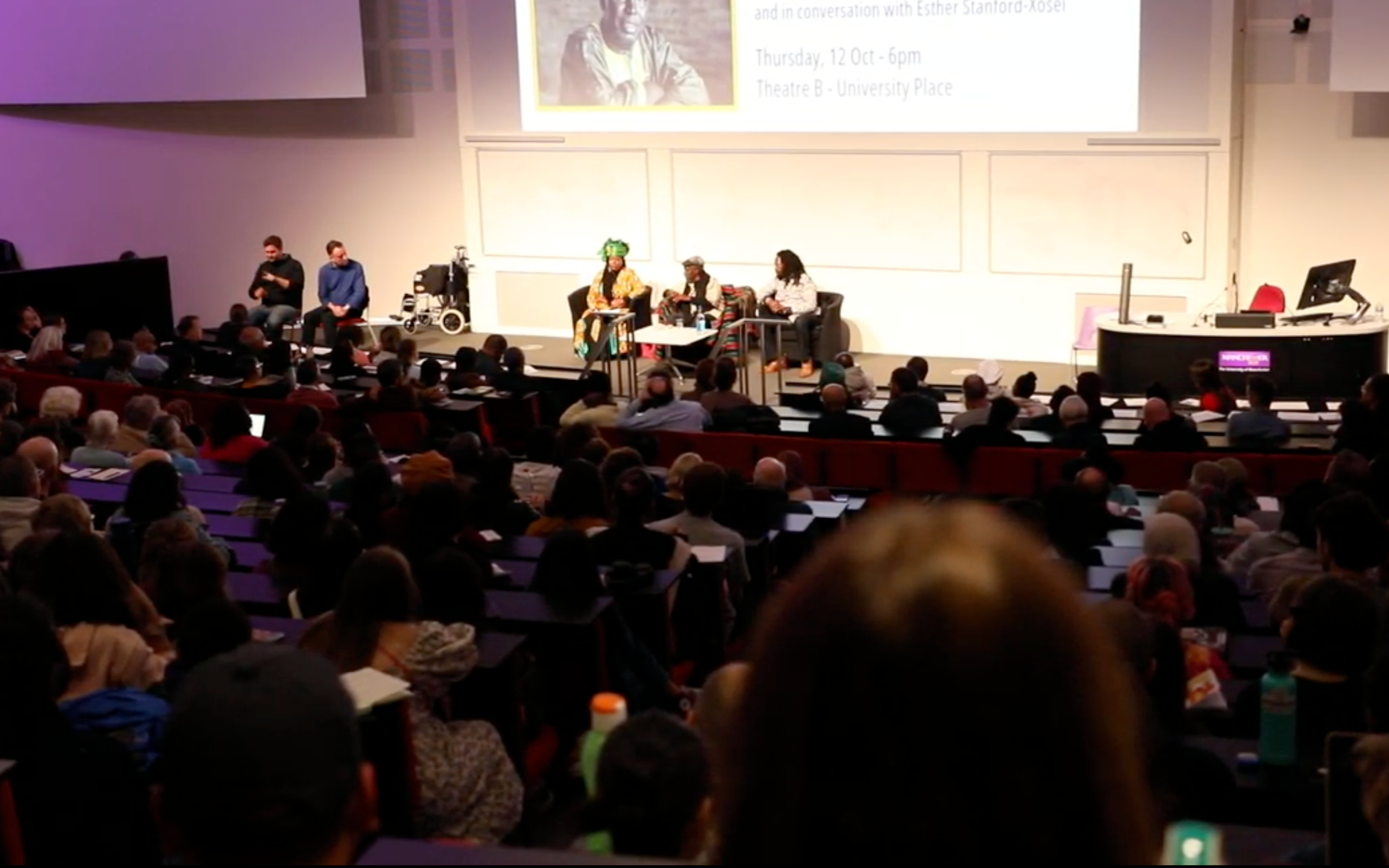
From October 4 -16, 2023, the late Professor Ngũgĩ wa Thiong’o was hosted by Racial Justice Network (RJN), based in UK for a speaking tour, including a visit to Leeds University, his Alma Mater. Ngũgĩ undertook graduate studies at the University of Leeds in 1964 where he also wrote his novel, A Grain of Wheat. He received an honorary doctorate from the university in 2004. During his 2023 tour, Ngugi was scheduled to speak in various engagements held by RJN during their International Decolonial Symposium. This was one of Ngugi’s last trip abroad before he passed away on May 28, 2025.
In one of his lectures during his tour, Ngugi spoke on the concept of Normalised Abnormalities. Normalised abnormality refers to narratives of falsehood so ingrained in a society that individuals hardly see anything wrong with them. Ngugi and Ghanian writer, Paa-Kwesi Heto, later wrote an article on a glaring abnormality in which Ghana’s main airport in Accra is named after General Kotoka who led the overthrow of Kwame Nkrumah. Kwame Nkrumah was then away in China in solidarity with the people of Vietnam fighting against America’s armed attempt at recolonising Vietnam.
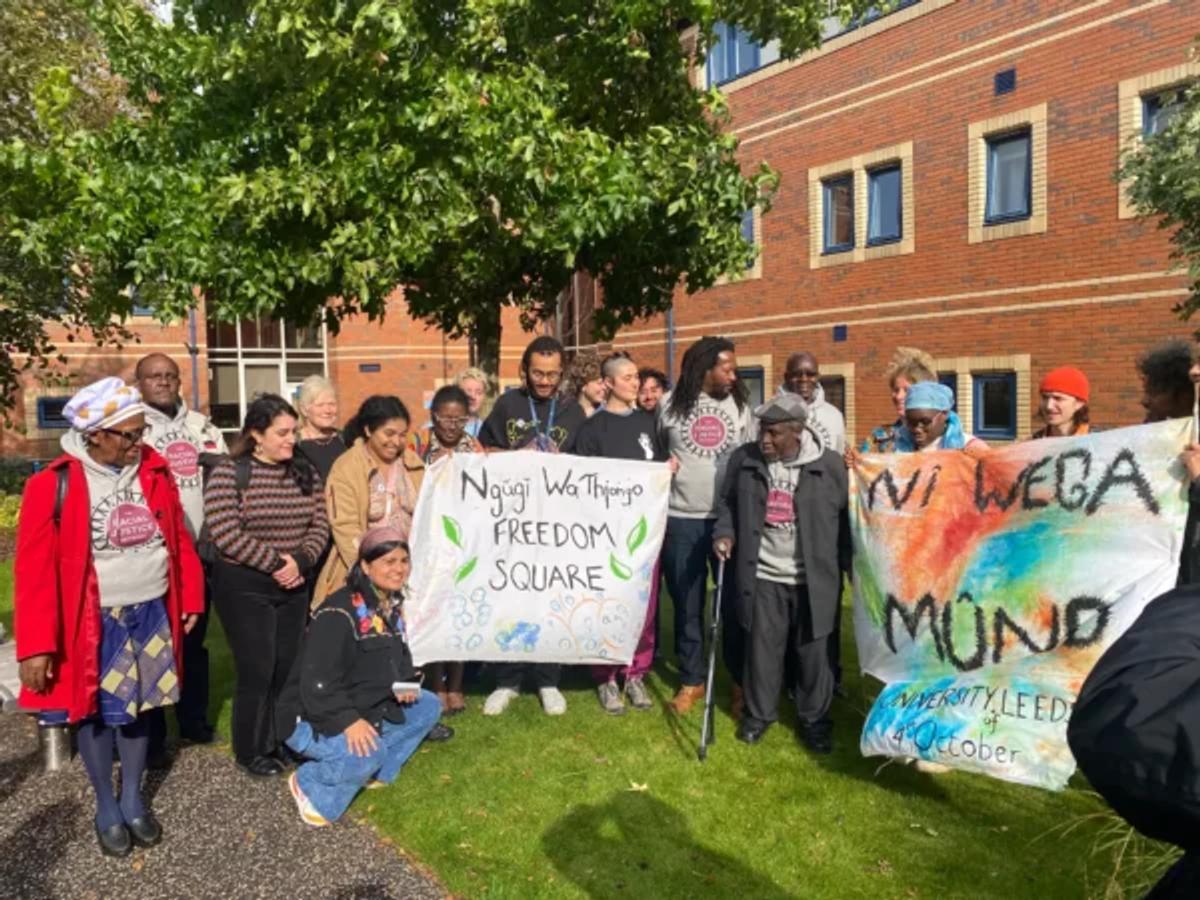
To commemorate two years after the visit by Ngũgĩ wa Thiong’o, Racial Justice Network held two events in his honour. The first event re-established Ngũgĩ wa Thiong’o Freedom Square at the University of Leeds. Similar to its inauguration on October 4th 2023, the commemoration of the Freedom Square is an enduring symbol of his influence and immortalises his impact with a dedicated space at Leeds University. This symbolic gesture challenges institutions to recognise the enduring contributions of African scholars and decolonial thinkers.
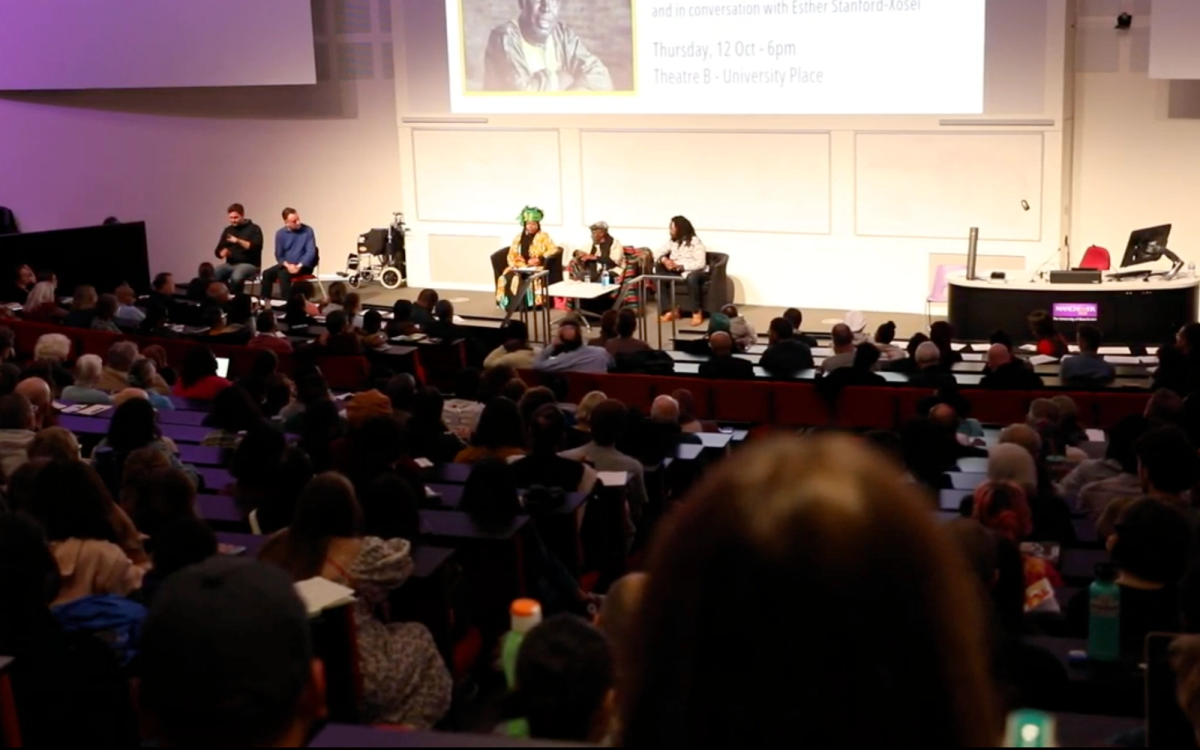
The second event to memorialise and build on the work of Ngũgĩ was a seminar on Wednesday 15th October that was focused on his concept of Normalised Abnormalities. At the seminar, Dr. Wangari and Mama D, presented in form of a conversation between them the ups and downs of bringing Ngugi to the UK. Both detailed the length and breadth of events in which Ngugi was engaged in during the 2023 International Decolonial Symposium.
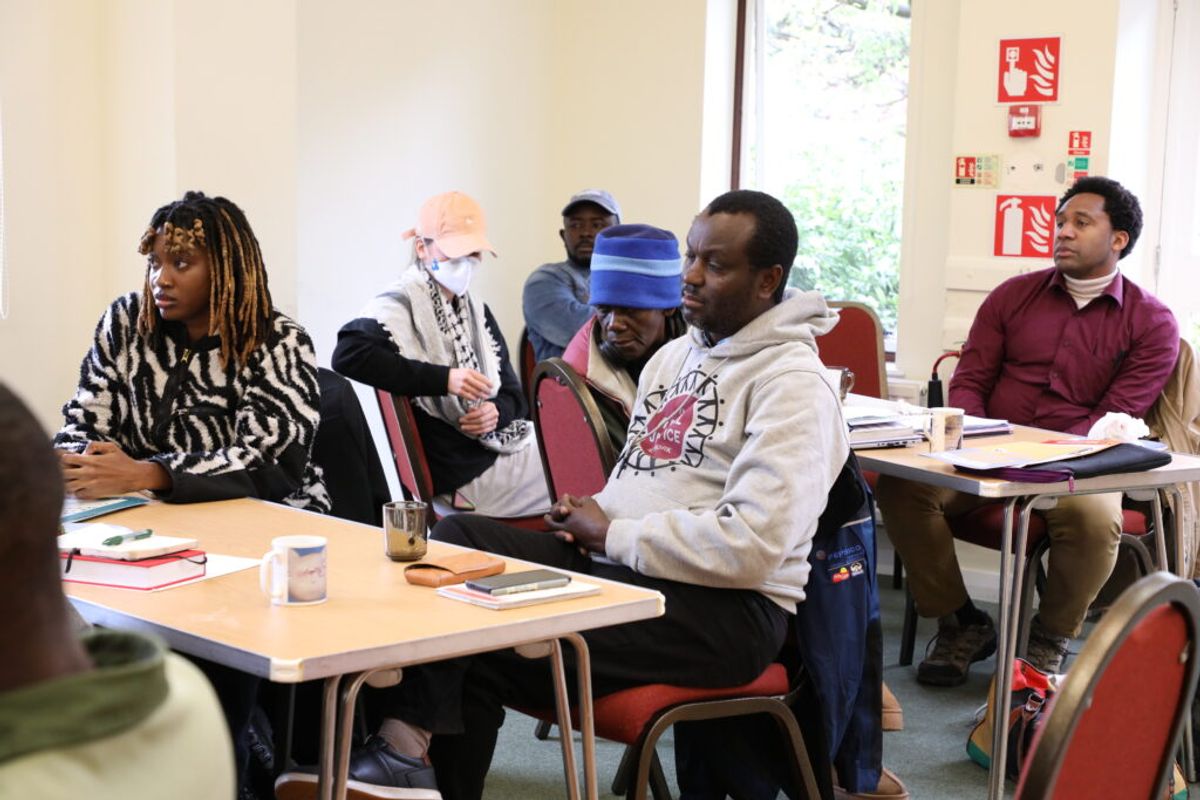
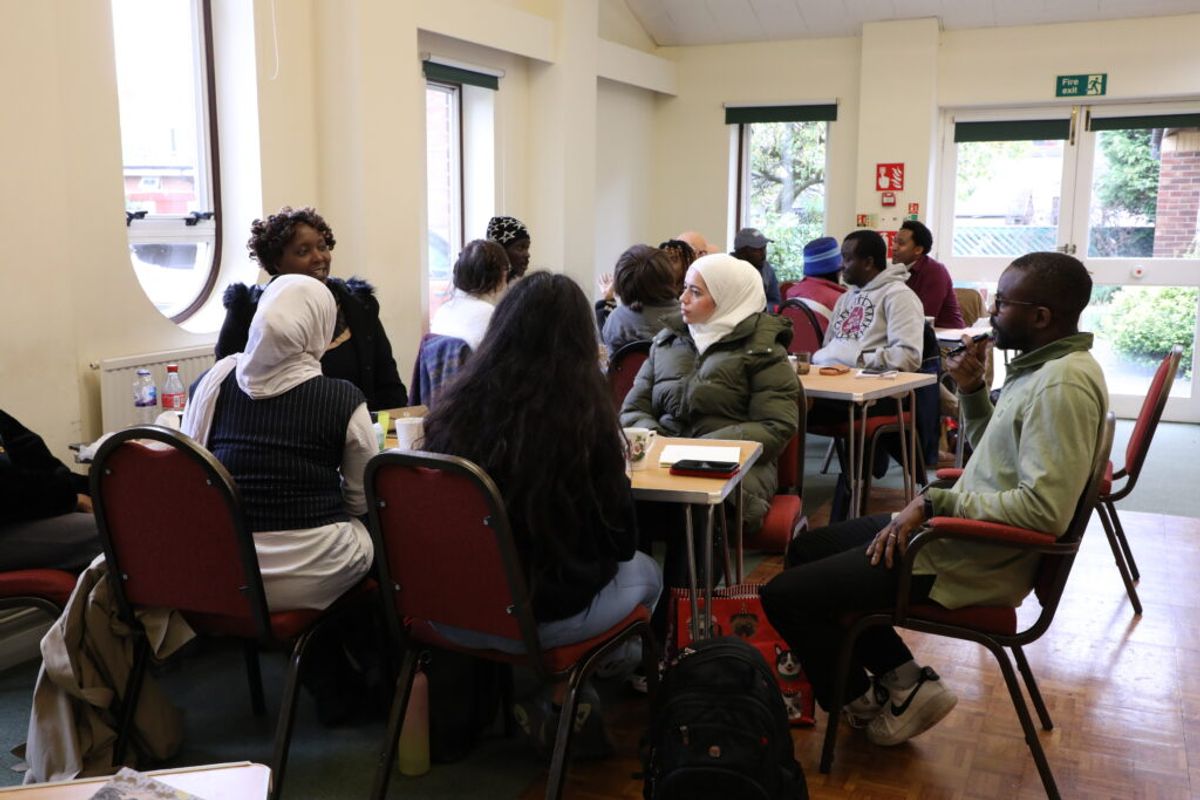
A panel was also held at the seminar inform of a conversation between Dr. Wangari and Dr. Njuki Githethwa. The conversation was focussed on Ngugi’s concept on Normal Abnormalities: Exile, Trauma, and Epistemic Homelessness. This was grounded in Ngũgĩ’s life through exile and displacement, connecting his search for sanctuary in the UK to contemporary migration issues. The session expounded on concepts related to exile and migration such as epistemic homelessness and psychic tombs. Epistemic homelessness is the loss of a grounded knowledge system while psychic tombs comes from the trauma, exhaustion, and the hostility of arrival. Other themes and works by Ngugi that were explored in this session included; Decolonising the Mind, Moving the Centre, Securing the Base, Barrel of the Pen, among others. Christine Waringa, an MA student in song writing at The Institute of Contemporary Music Performance (ICMP) in London gave a powerful reinterpretation of a poem that Ngugi wrote in his book, Kenda Mùyùiru, translated into English as The Perfect Nine.
Below is a translation of some of the words into English from Waringa’s commemorative song of Ngũgĩ.
Don’t search me in the thousands
Don’t search for me in danger
Don’t search for me where there is enmity
Don’t search for me where there is hatred
Don’t search for in wars without purpose
My name is not to be mentioned carelessly by mouths that are intent on bad behaviour
Search for me in the wind
Search for me in the soil
Search for me in the sun, and in the stars
Search for me in the harvests.
Search for me where there is love
Search for me where there is unity
Search for me among the oppressed seeking truth and justice
Search for me amongst those giving water to wild animals
Search for me amongst those with nothing to drink and nowhere to sleep
The participants at the seminar shared some practical examples on normalized abnormalities in their work, experiences and practices. They included normalised abnormalities on policing, extraction, climate justice, housing, migration, sexism, language, identity, oppression and exploitation, among others. The participants offered a unified vision for a liberated world where these normalized abnormalities are unthinkable. The closing Circle at the conclusion of the seminar synthesised the day’s learning. Participants shared one liberated concept or practice they commit to taking forward to ‘secure the base’ of their own mind and community, connecting the internal work of healing to external political action.
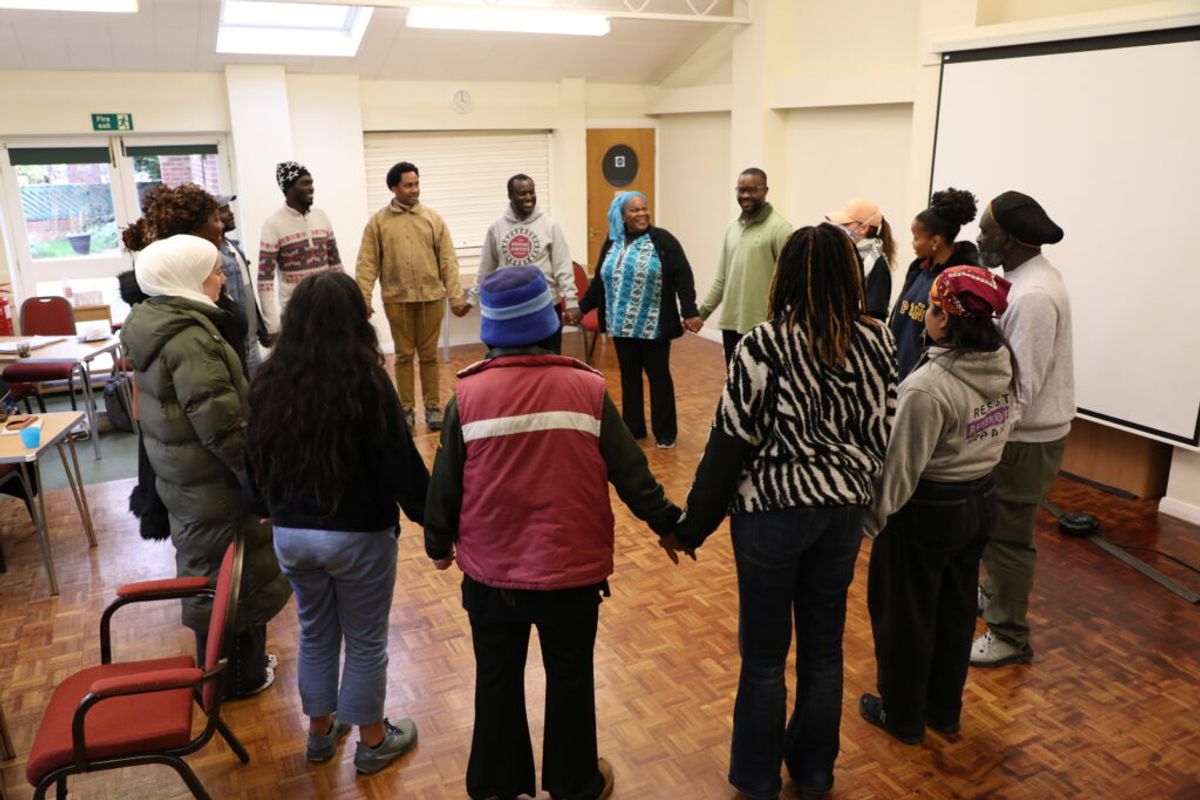
Thank you to everyone who was able to join us on both days. Your commitment to racial justice and our work is deeply appreciated.
Related Articles
One Year After Dr Pious Nyandoro: The Uncomfortable Truth About Empire, Borders and the Value of Black Life
23/07/2026 • Boucka Koffi
Press release: Afro-Diasporic Futures: Black Women’s Leadership Across the Atlantic
04/05/2026 • Iris Dixon